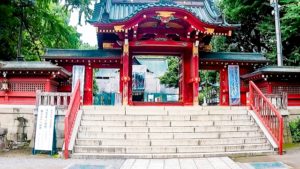
Chichibu Shrine
Chichibu Shrine: A Blend of History, Mythology, and Architectural Beauty
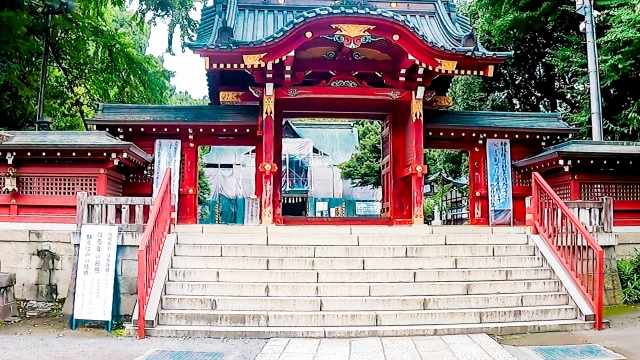
Chichibu Shrine is one of the oldest and most important Shinto shrines in the Kanto region, with a history that stretches back over 2,000 years. It is dedicated to multiple deities, including Yagokoro-omoikane-no-mikoto, a god associated with wisdom and knowledge. This makes it a place where people come to pray for guidance, success, and intellectual pursuits.
Key Highlights of Chichibu Shrine
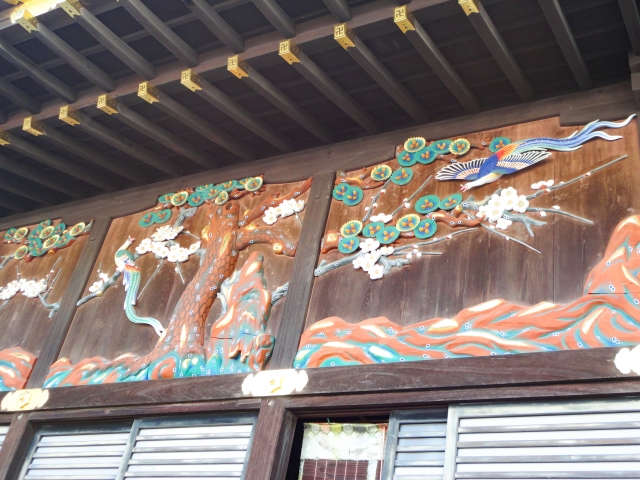
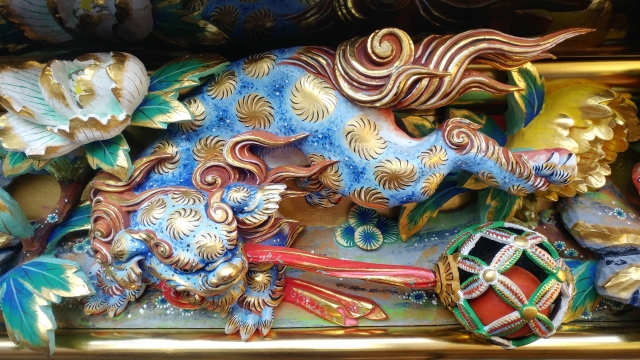
- Architectural Splendor The shrine’s main hall (honden) was rebuilt in the early Edo period (1592) by Tokugawa Ieyasu, the first shogun of the Tokugawa Shogunate. The richly decorated carvings on the building are similar in style to those found at the famous Nikko Toshogu Shrine. Some of the most remarkable carvings include:
- Dragon Carvings: The mythical dragons, believed to guard the shrine, are intricately carved on the beams and walls of the shrine. The dragons symbolize power and protection.
- Carvings of Turtles and Tigers: These animals are linked to ancient Chinese and Japanese mythology and are believed to bring longevity (turtles) and strength (tigers) to worshippers.
- The Soaring Crane: A graceful crane is also featured, symbolizing peace and happiness. Cranes are often associated with longevity and blessings in Japanese culture.
- Mythological Symbols and Stories Many of the carvings on the shrine’s buildings depict scenes from Japanese mythology. For example, one of the key myths represented is that of Amano-Iwato, the story of the sun goddess Amaterasu hiding in a cave, plunging the world into darkness, and the gods working together to lure her back into the world to bring light. These mythical carvings are a visual narrative of Japan’s ancient spiritual heritage.
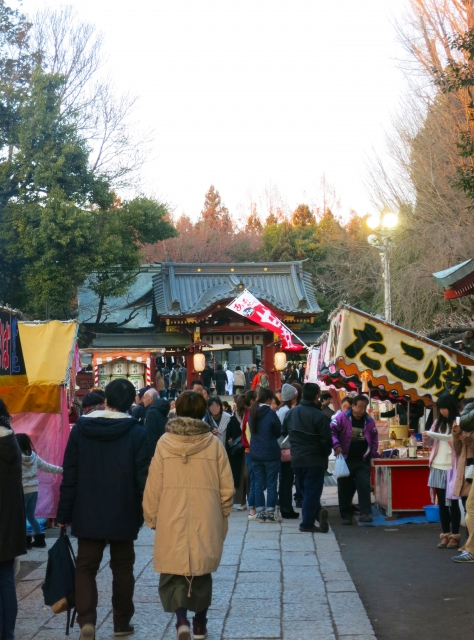
- Chichibu Night Festival One of the most famous events associated with Chichibu Shrine is the Chichibu Night Festival (Chichibu Yomatsuri), held every December 2nd and 3rd. It is one of Japan’s three most famous float festivals, alongside the Gion Festival in Kyoto and the Takayama Festival. The festival features ornate floats parading through the streets, accompanied by traditional music and fireworks. The shrine plays a central role in this vibrant celebration, and many visitors come to experience the beauty and excitement of the festival.
- Sacred Tree Within the shrine’s grounds stands a sacred tree (shinboku) that is estimated to be over 1,000 years old. This towering tree is a symbol of the shrine’s long history and deep connection to nature. Visitors often stop to pray beneath it, believing that the tree holds protective and healing powers.
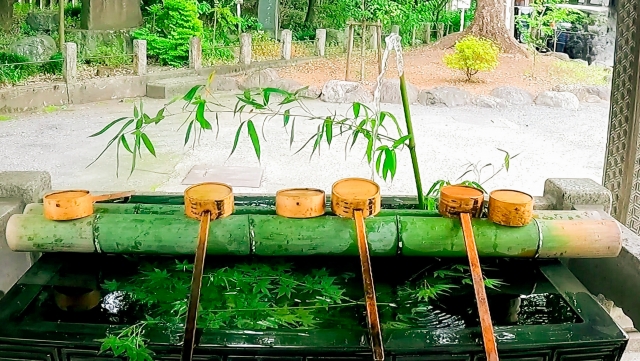
- Tranquil Atmosphere Despite being in the heart of Chichibu City, the shrine offers a peaceful escape from the hustle and bustle of daily life. The serene atmosphere, combined with the historical and spiritual significance of the site, makes it a perfect place for reflection, prayer, and a deeper connection to Japan’s Shinto traditions.
Why Visit Chichibu Shrine?
Chichibu Shrine offers a unique glimpse into Japan’s spiritual history, its mythology, and the craftsmanship of its Edo-period architecture. It is not only a place of worship but also a cultural treasure, where the beauty of nature and traditional beliefs come together. Whether you are interested in Shinto practices, Japanese mythology, or just looking for a serene spot to reflect, Chichibu Shrine has something to offer every visitor.